

.webp)
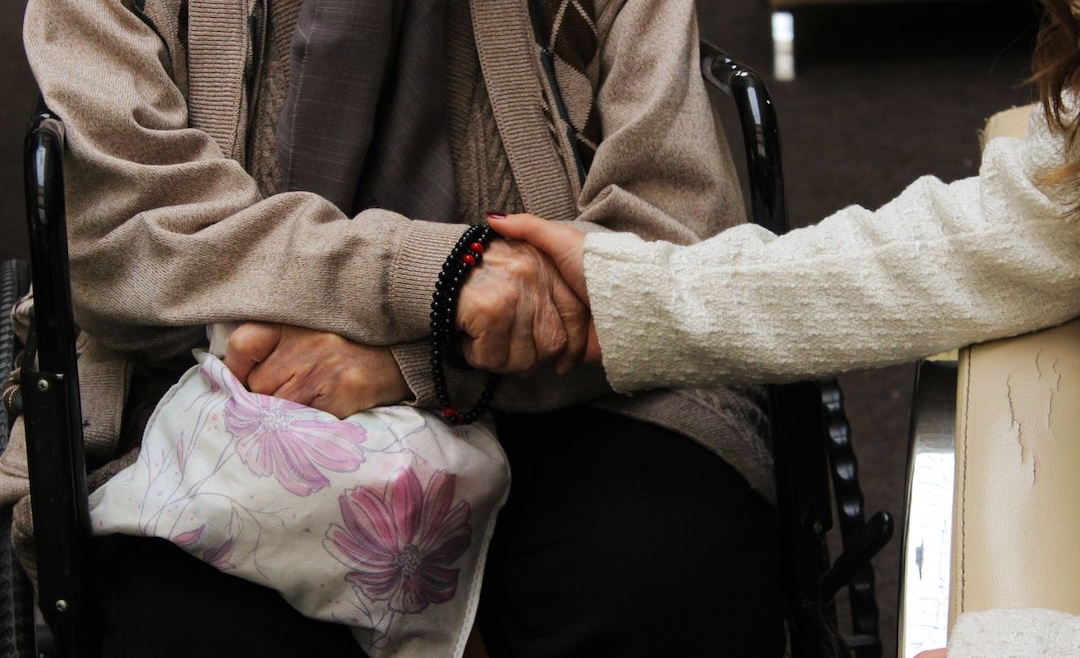
A home health aide, or HHA, is a trained caregiver who helps people with daily activities and basic health needs at home.
The work home health aides do makes a world of difference for millions of older adults, people with disabilities, and those recovering from illness or surgery.
That may be why it’s one of the fastest-growing jobs in the country. The U.S. Bureau of Labor Statistics (BLS) projects a 17% job growth rate for home health and personal care aides in the next decade. That’s much higher than the 3% average growth they expect for other occupations.
The role is also flexible. HHAs can choose to work full-time or part-time, with one long-term client or several, and in private homes or in more formal settings like assisted living communities.
HHA training can take just a few weeks, and all you need is a high school diploma or GED to get started.
This guide will tell you everything you need to know about a career as a home health aide. We’ll cover what they do each day, where they work, how much they make, and the steps you need to take to become one.
Before diving in, here's a summary of the home health aide career:
What Is a Home Health Aide?
A home health aide is a trained caregiver who helps people with daily tasks they cannot do safely on their own. This includes bathing, moving around the house, and monitoring basic health signs.
Most of their clients are older adults, people with chronic illnesses or disabilities, or people recovering after a hospital stay or surgery. The main goal is to help them stay safe and comfortable at home, so they do not have to move into a hospital or skilled nursing facility.
HHAs work under the supervision of a registered nurse or other licensed healthcare professional. They follow a written care plan, created by the patient’s providers, that details the services they need, how often they need them, and their goals.
However, HHAs mostly work without a supervisor present, so they need good judgment and a strong sense of responsibility, along with clinical skills.
Sometimes, home health aides and personal care aides get confused. The BLS tracks them in the same category. Personal care aides are also professional caregivers, but they are limited to providing nonmedical services.
Their work focuses on companionship and daily living tasks like cooking and transportation. They typically make a little less money than HHAs, and their clients are more often people with developmental or intellectual disabilities.
Because HHAs do more clinical tasks and hands-on patient care, they often use their experience as a stepping stone to higher-paying clinical jobs like medical assistant.
What Does a Home Health Aide Do?
What a home health aide does every day mostly depends on the care plan of their client and the rules of their state or the agency they work for. Most days involve a combination of personal care, health monitoring, and household help.
Personal Care Duties
These may include:
- Assisting with bathing, dressing, and grooming so clients feel clean and comfortable
- Helping clients move safely, including transfers between a bed and a chair and the use of walkers or wheelchairs
- Assisting with toileting and incontinence care
- Preparing meals and helping with feeding when needed, including following any special diets
Health-Related Duties
Depending on the state and the client's care plan, HHAs may also do some basic health monitoring tasks, such as:
- Checking and recording vital signs, like blood pressure, pulse, and temperature
- Reminding clients to take medication, and in some cases helping with medication a client would normally take on their own
- Watching for changes in a client's condition and reporting them to the supervising provider
Different states have different rules about what HHAs can do, especially when it comes to medications. The ability to give insulin injections, for example, varies widely by state.
- New York created a special Advanced Home Health Aide (AHHA) certification that allows specially trained aides to give insulin injections under nurse supervision.
- Texas, Washington, Minnesota, and Wisconsin allow a nurse to delegate insulin administration to a trained aide, though usually only in certain settings, like assisted living, or for a specific client.
- Florida is often mischaracterized as banning aides from giving any medication, but its rule actually carves out an exception for prefilled insulin syringes and epi-pens.
- Most states, like California, just don’t allow it.
Household and Companionship Duties
These may include:
- Light housekeeping, laundry, and errands
- Grocery shopping and meal planning
- Providing companionship and conversation, which can be very important for clients who live alone
- Accompanying clients to medical appointments and outings
- Helping organize a client's schedule and keeping notes for family members or the care team
What a Home Health Aide Cannot Do
Federal rules spell out clear limits on what a home health aide can do. Under federal regulations, an HHA's tasks must be ordered by a physician, included in the client's care plan, allowed under state law, and consistent with the aide's training.
Generally, HHAs cannot:
- Diagnose conditions
- Write a care plan
- Give injections
- Provide sterile wound care
Some tasks that seem simple, like helping patients with medications they would normally take on their own, require extra certification in many states. You can usually find details about scope of practice for HHAs from your state’s nursing board.
Where Do Home Health Aides Work?
The majority of HHAs work with individuals in their homes. BLS data says 49% of HHAs and personal care aides provide individual and family services, and an additional 24% provide home healthcare services.
Here are some of the settings where HHAs work:
- Private homes: This is the most common workplace for HHAs. Aides may work with one client long-term or rotate between several. Schedules can range from a few hours a week to live-in care.
- Assisted living and continuing care communities: These settings provide care primarily for older people. HHAs may help several different residents with daily tasks in a single shift.
- Group homes and residential facilities: These locations serve people with intellectual or developmental disabilities.
- Day services programs: These settings provide support and supervision for clients during daytime hours, often so family caregivers can work or rest.
Skills and Qualities of a Successful Home Health Aide
Professional caregiving requires technical, physical, and interpersonal skills in equal amounts. Here are some of the qualities that make a great home health aide:
- Compassion: Clients are facing pain, fear, and loss of independence, so a caring presence is just as important as being technically skilled.
- Attention to detail: Following care instructions exactly, from wound care steps to medication reminders, keeps clients safe.
- Integrity: Clients and families need to trust an aide who is often alone with them in their home.
- Communication skills: Aides need to listen closely and report changes clearly to a supervising nurse or case manager.
- Physical stamina: The role can involve lifting, standing, and helping clients move for much of a shift.
- Patience: Progress may be slow, especially for clients with chronic conditions or memory loss, so calm and patience are critical for success.
- Reliability: Clients rely on aides to arrive on time because missing a visit can mean missing meals or medications.
Home Health Aide Requirements and Certification
Requirements vary by state and employer. However, the federal government has created standards for home health and hospice agencies that get Medicare or Medicaid funding. This gives a baseline that most states and agencies use, though they may add additional requirements on top of it.
Training Requirements
- Most training programs require candidates to be at least 18 years old, though some states allow younger applicants. A high school diploma or equivalent is commonly required, but not in every case.
- Federal rules require agencies certified by Medicare or Medicaid to employ HHAs who have had at least 75 hours of training, including a minimum of 16 hours of classroom instruction followed by at least 16 hours of supervised, hands-on practice.
- After training, aides must pass a competency evaluation. Many states also require a separate state certification exam.
- Many employers require a background check and current CPR and first aid certification before an aide can start working with clients.
Federal vs. State Requirements
The federal training minimum only applies to HHAs working for agencies certified by Medicare or Medicaid. States and individual employers are free to require more, whether that's additional training hours, a separate exam, or listing on a state aide registry.
This is why two aides trained in different states can have different credentials, even if they have the same job title. It’s a good idea to check your state's requirements before starting a training program.
How to Become a Home Health Aide
Becoming a home health aide is easier than you would imagine. The process can take a few weeks to a few months, depending on your state’s requirements.
Most training programs only ask that you're at least 18 years old and have a high school diploma or equivalent.
Here’s a step-by-step process you can follow to start this career.
Step 1: Enroll in a training program
The first step is enrolling in a training program approved by your state. Your training will include both classroom knowledge and hands-on practice.
Federal regulations require at least 75 hours of training, including a minimum of 16 hours of classroom instruction followed by at least 16 hours of supervised, hands-on practice.
State agencies may require additional hours.
Stepful’s online HHA program offers the classroom portion of the training completely online. It includes topics like patient rights, infection control and safety, communication skills, basic health monitoring, and documentation.
Classes have live instructors and can be completed on a flexible schedule.
Step 2: Pass a competency exam
After completing coursework, you’ll need to pass a hands-on competency evaluation. This in-person assessment shows that you can safely perform the skills you have learned.
You may be asked to show how to transfer a patient from a chair to a walker, how to take vital signs, and how to report changes to a supervisor.
Step 3: Apply for state certification or registry listing
HHA certification requirements vary by state. You may need to pass a competency exam and a background check. Some states may also require CPR and first aid certification.
Most states keep a registry of certified aides in good standing, which employers use to verify your credentials.
Step 4: Start your new career
With your training and certification complete, you can apply for jobs with home health agencies, hospice organizations, assisted living communities, or private clients.
Some training programs, like Stepful’s, offer one-on-one career coaching that includes resume review, interview prep, and job search support.
Home Health Aide Salary and Job Outlook
The best thing about starting a career as a home health aide is how strong the demand is for workers.
The population of the U.S. is aging, and more people prefer to live in home and community-based settings now than ever before. This shift is creating many new jobs for home health workers. It is also a job that cannot be automated or sent offshore.
The BLS combines home health and personal care aides into one category. For that category, it reported that there were over 4.3 million jobs in 2025.
The BLS also estimates that job openings will continue to grow. It projects a 17% job growth rate for these occupations in the next decade, much faster than the 3% average for all jobs. That’s about 765,800 job openings each year, on average, over the decade.
How much HHAs make depends on geographical location, experience level, employer type (agency vs. private), and any special certifications they may have.
The average wage for home health and personal care aides is $36,120 per year or $17.36 per hour. The top 10% in the field make an average of $45,040 per year, or $21.65 per hour.
The BLS lists the states with the highest annual wage as Washington, Oregon, Rhode Island, DC, and Vermont.
Another positive aspect of this role is the opportunity for career growth. The patient care experience and interpersonal skills you build as an HHA transfer directly up the career ladder.
Many HHAs continue their training to move onto more advanced medical roles.
Here at Stepful, we have training for caregivers designed exactly for this. HHAs often go on to become medical assistants, nursing assistants, or a nurse (LPN or RN).
Home Health Aide FAQs
Does Medicare cover a home health aide?
Medicare covers part-time or intermittent home health services only if the patient is considered homebound and a healthcare provider orders the care. It must be provided by a Medicare-certified home health agency.
Medicare does not cover help with daily tasks like bathing or dressing unless it is deemed medically necessary and the patient is also getting skilled nursing care.
How much does it cost to hire a home health aide?
Private-pay, in-home, non-medical caregiving has a national median rate of about $35 an hour, according to the 2025 CareScout Cost of Care Survey. Rates vary by state and may be lower if paid through Medicaid or a long-term care insurance policy.
Can a home health aide give insulin?
It depends on the state.
Most states do not allow HHAs to give any kind of injection. Some states, like New York, allow specially certified "advanced" aides to do it.
Others, like Texas and Washington, allow nurses to delegate the task to trained HHAs. Florida makes an exception for insulin in pre-filled syringes.
Can a CNA work as a home health aide?
Yes. Certified Nursing Assistants (CNAs) usually complete more training and are allowed to do more for patients than HHAs, so they can easily work as HHAs.
HHAs, however, would need more training hours and a state competency exam before they could work as CNAs.
Learn more about a career as a home health aide vs. certified nursing assistant here.
Do I need a license to become a home health aide?
Most states require certification instead of a traditional professional license. This usually means completing an approved training program and passing a certification exam.
Some states then keep a registry of certified HHAs. The steps and paperwork vary by state, so check with your state's health department before you begin.
How long does it take to become a home health aide?
Training can take a few weeks to a few months, depending on your state and the program.
The federal minimum for agencies certified by Medicare or Medicaid is 75 hours of classroom and supervised practical training. Some states require more hours or an extra exam, which can add time.
Is a home health aide the same as a caregiver?
Caregiver is a broad, informal term for anyone providing care, including unpaid family members and professional, paid healthcare workers. A home health aide is a trained, often certified, professional with specific duties who usually works for an employer or agency.
Is being a home health aide hard?
Being an HHA can be physically and emotionally demanding.
It involves lifting, long hours on your feet, and helping people through tough health changes. It may also require working evenings, weekends, or holidays at times.
However, many HHAs say the relationships they build with clients make the hard work worth it.
Can home health aides work in hospitals?
Not usually. Home health aide services are defined by Medicare as taking place at a patient's residence, which specifically excludes hospitals and skilled nursing facilities. HHAs mainly work in private homes, assisted living communities, group homes, and hospice settings, while hospitals use nursing assistants and orderlies for similar support. If you are interested in working in a hospital, explore becoming a patient care technician or medical assistant.
What's the difference between a home health aide and a personal care aide?
The terms are sometimes used interchangeably, but they are different roles.
HHAs usually get more training and can do basic health monitoring tasks.
Personal care aides are limited to providing nonmedical services. Their work focuses on companionship and daily living tasks like cooking and transportation.
Personal care aides typically make less money than HHAs, and their clients are more often people with developmental or intellectual disabilities.


.svg)


