
.webp)
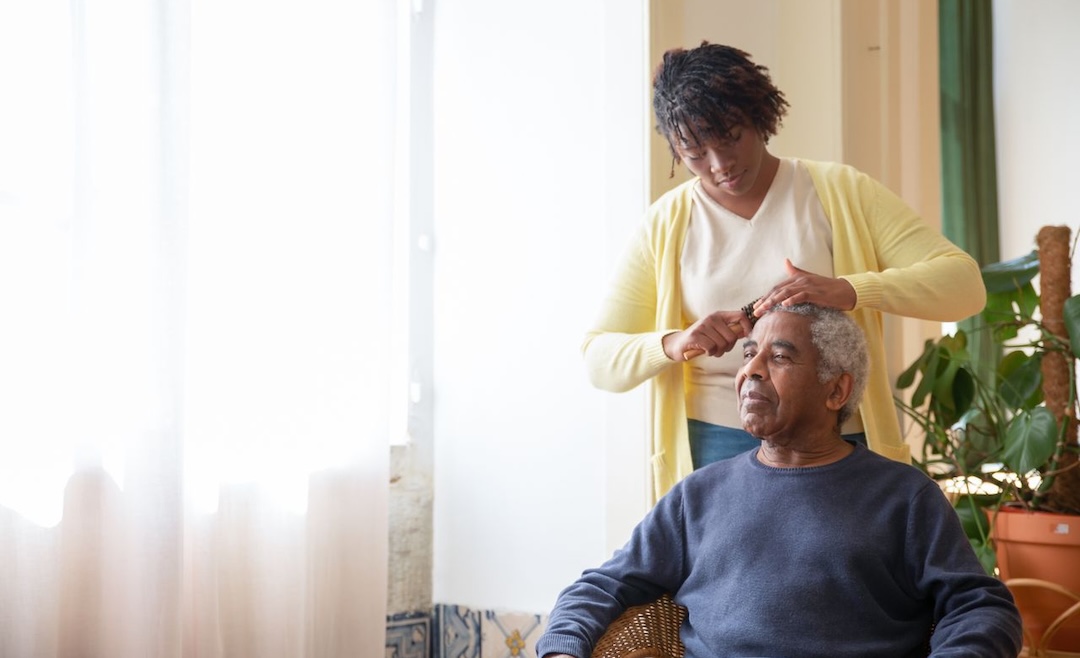
According to the National Alliance for Caregiving and AARP, roughly 63 million Americans provide ongoing care to an adult or child with a medical condition or disability, yet most never think of themselves as “caregivers.”
So, what does a caregiver do? At its most basic, a caregiver is anyone who regularly helps another person who cannot fully care for themselves.
Caregiving covers a wide spectrum. It might be a daughter helping her aging parent with medications, or a Certified Nursing Assistant (CNA) working on a hospital floor. What ties these people together is the act of showing up for someone who needs support.
Caregiving is both a calling and a career path. For many, it’s the first step into a healthcare career since caregivers often go on to become medical assistants, nurses, or other clinical professionals.
Demand for professional caregivers is growing fast. The U.S. Bureau of Labor Statistics projects a 17% job growth rate for home health and personal care aides in the next decade, far outpacing the 3% average for other occupations.
Whether you are supporting a loved one or considering working in healthcare professionally, understanding what the role involves is the first step.
This guide covers what a caregiver is, the different types, the day-to-day responsibilities, and the skills the role requires. We’ll help you learn how to become a professional caregiver and answer your most pressing questions about the career.
What Is a Caregiver?
A caregiver is a person who provides physical, emotional, or practical support to someone who cannot fully care for themselves due to age, illness, disability, or injury. The care can range from help with basic daily tasks to more complex medical support.
The word “caregiver” applies to both unpaid family members and paid professionals. A spouse helping a partner manage a chronic illness and a home health aide providing paid, in-home care are both caregivers.
- Informal or family caregivers: This category includes spouses, parents, adult children, neighbors, and friends who provide unpaid care in someone’s home.
- Professional caregivers: These are trained, paid individuals working in homes, facilities, or hospitals.
Types of Caregivers
The word “caregiver” covers a wide range of roles. Here are the main categories:
1) Family and Informal Caregivers
Family and informal caregivers are typically unpaid. They may be a spouse, adult child, sibling, friend, or neighbor. Some provide part-time support, such as driving to appointments or managing medications; others provide full-time, around-the-clock care.
Most family caregivers take on the role gradually, without formal training, as a loved one’s needs increase over time.
A report by the National Alliance for Caregiving and AARP states that the average family caregiver is 51 years old and female. Nearly a third have been giving care for five years or more.
The time commitment is substantial. Family caregivers average 27 hours of care per week, and about one in four is essentially working a second full-time job, logging 40 or more hours weekly.
Many informal caregivers experience significant burnout. Nearly two-thirds report high levels of emotional stress, and close to half say the physical demands are a strain.
Family caregivers can really benefit from services like support groups, training from healthcare professionals, and respite care, which is short-term support provided by paid caregivers.
2) Professional Caregivers
Professional caregivers are paid and trained, providing care in a variety of settings.
There are a variety of national certifications for caregivers that can open the door to more job opportunities and better pay.
Common roles include:
- Home Health Aide (HHA): HHAs provide personal care and basic health monitoring in a client’s home under nurse supervision. HHAs working for Medicare- or Medicaid-certified agencies must complete a minimum of 75 hours of training under federal law, though some states require more.
- Personal Care Aide (PCA): PCAs focus on daily living tasks and companionship. In most states, they do not need any formal credentials and do not perform medical duties.
- Certified Nursing Assistant (CNA): CNAs provide direct patient care, including personal care, vital signs monitoring, and patient communication. They work in hospitals, nursing homes, assisted living, and home health settings. CNAs must complete a state-approved training program and pass a two-part competency exam, after which they are listed on their state’s nurse aide registry.
- Patient Care Technician (PCT): Like CNAs, PCTs provide direct patient care, but they may also assist with procedures, phlebotomy, or administering EKGs. PCTs can be certified, but their credentials are generally not state-regulated.
3) Volunteer Caregivers
Volunteer caregivers provide non-medical support through community organizations, faith communities, or nonprofits.
Common tasks include transportation, meal delivery, friendly visits, and running errands.
Organizations like Meals on Wheels coordinate thousands of volunteer caregivers across the country.
Most volunteer caregiver roles have no formal credential requirement.
Caregiver Duties and Responsibilities
Caregiver duties vary based on the person’s needs and the caregiver’s role, but most share a core set of responsibilities. Here are some of the most common tasks that caregivers do on a regular basis:
1) Personal Care and Activities of Daily Living (ADLs)
Activities of daily living (ADLs) are the foundational tasks caregivers assist with most often. Helping someone complete these tasks safely and with dignity is at the heart of caregiving.
ADLs include:
- Bathing, showering, and hygiene
- Grooming (hair, nails, oral care)
- Dressing and undressing
- Toileting and incontinence care
- Mobility assistance, like helping with transfers from bed to chair or chair to toilet, repositioning, and walking
- Feeding assistance when needed
2) Health Monitoring and Medical Support
How much medical support a caregiver provides depends on their role and training. CNAs and PCTs are trained to take on more clinical tasks than HHAs or PCAs. These tasks may include:
- Medication reminders or administration
- Monitoring and recording vital signs, such as blood pressure, temperature, pulse, and oxygen levels
- Observing and reporting changes in the patient’s condition to nurses or physicians
- Assisting with prescribed exercises or physical therapy routines
- Basic wound care or post-procedure assistance as directed by a nurse
Tasks like giving medications and wound care are not part of the job for home health aides and PCAs in most states. Those duties are reserved for CNAs, PCTs, and licensed medical staff.
3) Household and Daily Living Support
Many caregivers, especially those working in a client’s home, assist with tasks beyond personal care.
These practical forms of support help clients maintain comfortable, safe living environments. These tasks may include:
- Meal planning, grocery shopping, and cooking
- Light housekeeping, like laundry, dishes, vacuuming, and tidying up
- Transportation to medical appointments, errands, and social activities
- Managing household supplies and medications
4) Emotional and Social Support
Emotional and social support is one of the most underappreciated parts of caregiving, and one of the most important.
Social isolation is especially common among elderly and homebound individuals, and caregivers often serve as a lifeline.
Emotional and social support may include:
- Providing companionship and meaningful conversation
- Engaging clients in activities that support cognitive and emotional well-being, like games, music, reading, and crafts
- Helping combat social isolation
- Offering reassurance during difficult moments, such as confusion, grief, or anxiety
5) Care Coordination and Advocacy
Caregivers often serve as the link between the care recipient and the broader healthcare system. This advocacy role is essential to ensuring the client’s needs are heard and met.
These tasks may include:
- Communicating observations and concerns to nurses, doctors, or supervisors
- Helping schedule and attend medical appointments
- Maintaining care logs or documentation as required by the employer or program
- Advocating for the patient’s preferences, dignity, and rights
- Coordinating with family members on care updates
Caregiver Skills
Caregiving requires both learned technical skills and interpersonal skills. Technical skills are the hands-on tasks you can be taught, like checking vital signs, assisting with transfers, or performing CPR.
Interpersonal skills, sometimes called soft skills, are the qualities you bring to the work, like patience, empathy, and staying calm under pressure.
Both matter equally.
Here are the most important in each category:
Technical Skills
- Knowledge of ADL assistance techniques
- Basic health monitoring, like taking vitals, and documentation
- Safe patient handling and transfer techniques
- Medication management (if this is in your scope of practice)
- First aid and CPR
Interpersonal or Soft Skills
- Patience and empathy
- Active listening and clear communication
- Dependability and professionalism
- Problem-solving and adaptability
- Emotional resilience
How to Become a Professional Caregiver
The path to professional caregiving is straightforward, and most people can get started in a matter of weeks.
The specifics depend on which role you pursue, but the general steps look like this:
- Choose your role. Decide whether you want to become an HHA, PCA, CNA, or PCT based on what kind of work you like best, where you want to work, and whether you plan to go further in healthcare in the future.
- Meet basic requirements. Most programs require a high school diploma or GED, a clean background check, and, in some states, a health screening or TB test.
- Enroll in a training program. Find a program that fits your schedule and budget, whether that’s a community college, vocational school, or an online option like Stepful.
- Complete your training. Programs have different requirements in terms of hours, but most provide a mix of coursework and hands-on skills practice.
- Pass your certification exam. Most roles have several options when it comes to certification. Most likely, the training program you choose will determine which certification you pursue.
- Apply for jobs. With your credentials in hand, you are ready to apply to home health agencies, nursing facilities, hospitals, hospice organizations, and more.
Whichever role you choose, caregiving can be a stepping stone into a higher-level career in healthcare.
Many caregivers get additional training in order to become medical assistants or nurses, often earning more and moving into more predictable clinic-based schedules.
Caregiver vs. Caretaker: What’s the Difference?
These terms are often used interchangeably, but they can mean very different things.
- Caregiver typically refers to a person who tends to another person’s needs, whether physical, emotional, or medical.
- Caretaker more traditionally refers to someone who maintains a property or physical space, though in modern usage it is often applied to people as well.
In healthcare and professional settings, “caregiver” is the preferred and more precise term.
Caregiver FAQs
What is a caregiver?
A caregiver is a person who provides physical, emotional, or practical support to someone who cannot fully care for themselves due to age, illness, disability, or injury. The term applies to both unpaid family members and paid professionals across a wide range of settings.
What does a caregiver do on a daily basis?
Day-to-day caregiving typically includes helping with personal hygiene, preparing meals, assisting with mobility, monitoring health, providing companionship, and handling household tasks. The specific duties depend on the client’s needs and the caregiver’s training.
Can a caregiver give medication?
It depends on the role and the state. Home health aides and personal care aides in most states are limited to medication reminders and cannot administer medications. CNAs and PCTs may have broader authority depending on their employer and state regulations.
What are the most important qualities of a good caregiver?
needed by a caregiver. Emotional resilience is equally important. Providing care during difficult moments, day after day, takes a real toll, and good caregivers know when to seek support for themselves.
Do you need a license or certification to be a caregiver?
It depends on the role. PCAs and PCTs generally do not require formal certification. HHAs working at Medicare- or Medicaid-certified agencies must complete a minimum of 75 hours of training.
CNAs must pass a state competency exam, with requirements varying by state. Even where not required, though, certification often leads to better pay and more job opportunities.
How much do caregivers make?
Personal Care Aides make about $33,700 per year. Home Health Aides earn an average salary of $36,120 a year.
Certified Nursing Assistants earn an average of $42,700 per year, and Patient Care Technicians earn an average of $44,600 per year. Individual pay depends on your role, credentials, and location.
What is caregiver burnout?
Caregiver burnout is a state of physical, emotional, and mental exhaustion caused by the demands of caregiving when the caregiver does not get enough rest or support.
It is especially common among unpaid family caregivers. Recognizing the signs of burnout is key to getting help.
Is caregiving a good career path?
Caregiving offers strong job security, meaningful work, and a clear path to growth in healthcare. The salaries are competitive with other jobs that do not require advanced degrees.
In addition, the U.S. Bureau of Labor Statistics projects a 17% job growth rate for home health and personal care aides in the next decade, one of the fastest growth rates of any occupation. It’s also a strong foundation for moving up.
Many caregivers do additional training to get higher-paying roles like medical assisting.


.svg)

