.webp)

Your extracurriculars can make a huge difference in your chances of getting accepted to medical school. Strong grades and a competitive MCAT score matter, but med schools also want to know who you are outside the classroom.
Extracurriculars show admissions committees your motivation, character, and readiness for the profession. However, some extracurriculars are more helpful than others at doing this.
Things like clinical experience, community service, and leadership in school organizations are the most important when it comes to med school applications. That’s because they showcase qualities like compassion, teamwork, and professionalism that med schools are looking for.
This guide explains which extracurriculars are most helpful for premed students, how many hours you should aim for, and how to choose experiences that truly strengthen your application rather than just fill space.
How Many Extracurricular Hours Are Required for Med School?
Medical schools do not publish requirements for extracurricular activities. That’s because they don’t want students to see this part of their application as a box they can just check to get accepted.
They want to see that you are genuinely using these experiences to support your path to a career in medicine, whether it’s gaining tangible skills or deepening your perspective.
Before we get into the details of how many hours and which experiences to choose, it’s worth taking a minute to learn about how you will convey this information to the admissions committee.
Most U.S. medical schools use the American Medical College Application Service, or AMCAS. With AMCAS, applicants submit their coursework, test scores, personal statement, and extracurricular activities in one centralized application.
One of the most important parts of AMCAS is the Work and Activities section. Applicants can list up to 15 experiences across 19 categories, including clinical work, research, leadership, employment, and community service.
Strong entries briefly describe the role, then highlight what you learned, how you contributed, and how the experience shaped your path toward medicine. Clear writing and thoughtful reflection are often more important than impressive titles alone.
Even if the school you’re applying to doesn’t use the AMCAS, the application will probably use a similar structure.
So, How Many Hours Should You Have?
Since the schools don’t give an official minimum hour requirement, admissions advisors and consultants have had to estimate based on past applications. In other words, students who got accepted had this range of activities and hours on their applications:
- Clinical experience. 150 to 300 hours or more of clinical experience with direct patient exposure to show consistent, ongoing involvement and a real understanding of patient care
- Community service. 100 to 300 hours of volunteer hours, ideally spread over time rather than concentrated in one short period
- Shadowing. 30 to 100 hours observing physicians in 2 or 3 different specialties
- Research. Varies widely, but involvement over a year or more is often more meaningful than short-term participation
- Leadership experience. Measured less by hours and more by responsibility and time served, especially if you held a position for a year or longer
These numbers are guidelines, not guarantees. Admissions committees care most about depth, commitment, and what you gained from each experience.
Clinical Experience
One of the most important extracurriculars for med school is clinical experience. It shows that you understand what it means to work with patients and participate in healthcare delivery.
Without meaningful clinical exposure, it can be difficult to convincingly explain why you want to become a physician.
Clinical experience involves direct interaction with patients or healthcare teams. It may be paid or volunteer, but it must give you real exposure to patient care.
Examples of clinical roles include:
- Medical assistant (MA). Becoming a medical assistants is very helpful for getting into med school. These healthcare workers take vital signs, prepare patients for exams, assist with procedures, and document information in electronic health records. This hands-on role provides consistent patient interaction and is one of the best jobs to help you get into med school.
- Patient care technician (PCT). Patient care techs help patients with daily activities like bathing, dressing, and eating. They primarily support nurses in hospitals, nursing homes, and long-term care settings.
- Phlebotomist. Phlebotomists draw blood, handle samples without contaminating them, and deliver them safely to labs for testing. One of the most important parts of their job is putting nervous patients at ease, so patient interaction is central to the job.
- EMT or paramedic. Emergency medical technicians provide frontline emergency care and patient transport. This job requires compassion, calm under pressure, and teamwork.
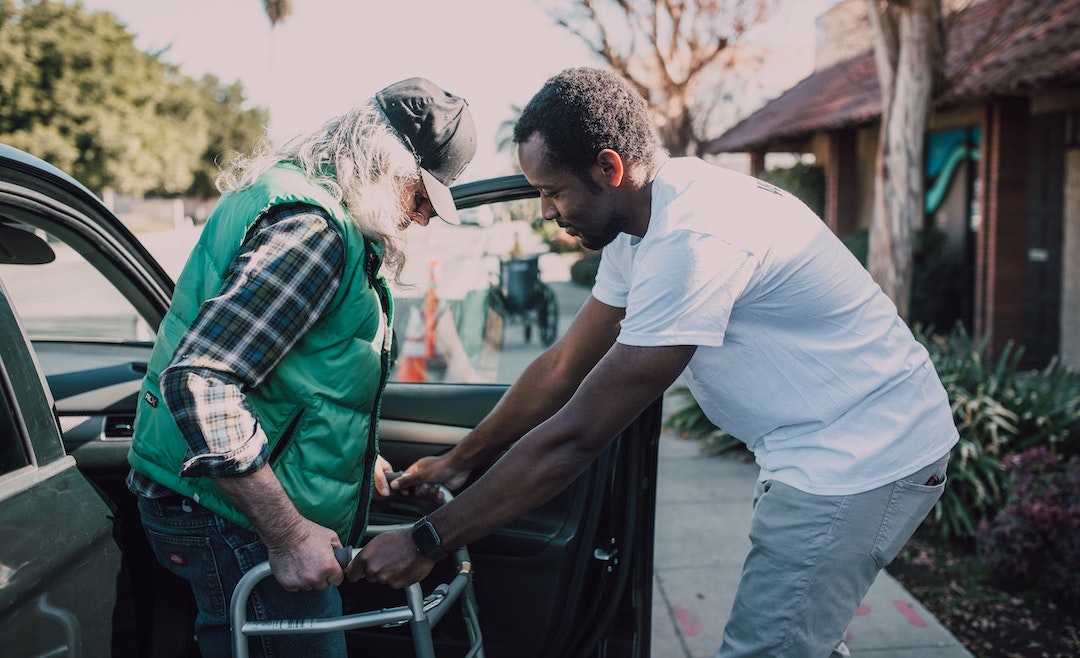
- Hospital volunteer. There are all kinds of roles for volunteers in the hospital, from assisting in the emergency department to escorting patients around the hospital to supporting the nursing staff. All of these can give you experience interacting with patients and allow you to observe healthcare teamwork.
There are many entry-level healthcare roles that you can start before you have your college degree.
Stepful offers quick and affordable training for several roles that will allow you to get paid while also getting excellent clinical experience.
For example, our Online Medical Assistant Certification Course takes 5 months to complete and prepares students to test for their CCMA certification. The program is designed to be flexible for college students and gap-year applicants who want to begin gaining clinical hours quickly.
Doing a clinical role, like medical assisting, demonstrates a deep commitment to patient care and gives you real patient stories you can discuss in essays and interviews.
Community Service
Community service is another key extracurricular for medical school. It shows that you are motivated by service, not just academic achievement.
And it’s not just a “nice to have,” most med schools expect 100 to 300+ hours of volunteering.
Community service can be healthcare-related or unrelated to medicine. What matters most is sustained commitment and genuine engagement with people in need.
Here are some examples of service roles and how they can benefit your application:
- Free clinic volunteer. Assisting with intake or patient support at clinics in underserved areas gives you exposure to healthcare access challenges and shows medical schools your commitment to caring for vulnerable populations.
- Health education volunteer. Teaching health topics in schools or community centers builds communication skills and demonstrates your ability to explain complex information clearly, which is a key skill for physicians.
- Crisis hotline volunteer. Providing emotional support to people in need requires strong listening skills, empathy, and emotional resilience, qualities that admissions committees look for.
- Food bank volunteer. Sorting and distributing food gives you an awareness of food insecurity and the social factors that affect health, showing medical schools that you understand health beyond the exam room.
- Senior center volunteer. Supporting older adults through companionship and assistance develops patience and demonstrates respect for aging populations and long-term care needs.
Long-term service helps demonstrate empathy, reliability, and dedication to improving community well-being.
Shadowing Doctors
Shadowing allows you to observe physicians in clinical settings and understand their daily responsibilities. It helps confirm your interest in medicine and gives you insight into different specialties.
Knowing that you have shadowed, especially if it’s a few different doctors doing different specialties, confirms for medical schools that you understand what the career actually looks like, not just the title.
Examples include:
- Primary care shadowing. Observing outpatient visits and long-term patient relationships shows you how physicians manage chronic conditions and build trust over time.
- Surgical shadowing. Watching surgical procedures gives you an understanding of team-based care, time-sensitive decision-making, and the pace of the operating room.
- Specialty shadowing. Exploring areas like pediatrics, cardiology, or emergency medicine gives you insights into different patient populations and practice styles.
Shadowing in different environments helps you decide what parts of medicine excite you and which environments feel like the right fit. It benefits both you and the medical school when you enter with clear goals and greater confidence in your path.
Research
Research experience can strengthen your medical school application, especially at research-focused institutions. It demonstrates intellectual curiosity and comfort with scientific inquiry.
Research also helps you understand how medical knowledge is generated, tested, and applied in real patient care.
Examples include:
- Laboratory research assistant. Conducting experiments and analyzing data under supervision teaches you attention to detail and how to interpret scientific results.
- Clinical research coordinator. Supporting patient recruitment and data management helps you understand research ethics, patient consent, and how studies translate into real-world medical decisions.
- Public health research volunteer. Assisting with surveys or community-based studies builds your understanding of population health and how social and environmental factors affect outcomes.
- Honors thesis project. Completing independent research during undergraduate studies shows initiative and the ability to carry a project from start to finish.
Your ability to clearly explain your research during interviews can make this experience especially impactful. Medical schools want to see that you didn’t just participate, but that you understood your role and grew from it.
School Organizations
Involvement in school organizations demonstrates teamwork and initiative.
Taking leadership roles in these organizations is particularly helpful as it shows med schools how you behave in a community of peers.
It shows them that you will be an asset in the field of healthcare, where collaboration and responsibility are part of daily life.
Examples include:
- Premed club leadership. Organizing events and mentoring younger students builds communication and mentorship skills while showing your commitment to supporting others on the same path.
- Student government. Representing peers and participating in school-wide decisions develops advocacy skills and shows that you are comfortable speaking up and working within structured systems.
- Cultural or service clubs. Leading outreach or fundraising efforts demonstrates cultural awareness, teamwork, and a willingness to serve diverse communities.
- Academic tutoring programs. Supporting fellow students strengthens your ability to explain complex material clearly, a skill that translates directly to patient education.
Sustained involvement, especially in leadership roles, signals maturity and growth. Medical schools value applicants who step up, take responsibility, and positively influence their communities.
Hobbies
Hobbies and long-term interests show that you are a well-rounded person, not just a student focused only on grades and test scores.
Medical schools look for applicants who can balance academics with personal growth and maintain interests outside of medicine.
Examples include:
- Music or performing arts. Participating in ensembles or performances over several years builds discipline, teamwork, and self-confidence.
- Athletics. Competing in team or individual sports requires commitment and the ability to perform consistently, even when challenged.
- Creative writing or art. Engaging in long-term creative projects shows reflection, empathy, and the ability to think in nuanced ways.
- Coaching or mentoring. Leading youth teams or community groups develops leadership, patience, and the ability to guide others toward growth.
Authentic, long-term hobbies make you more memorable in applications and interviews. They show medical schools that you have depth, self-awareness, and healthy outlets, qualities that support long-term success in a demanding profession.
How to Choose Extracurriculars to Strengthen Your Med School Application
As you likely already know, getting into med school is hard, especially if you have a low GPA or MCAT score.
Quality Matters More Than Quantity
It is tempting to join a bunch of clubs and volunteer programs to build an impressive list. However, admissions committees often prefer depth over breadth.
A few sustained, meaningful experiences allow you to grow, take on responsibility, and reflect thoughtfully.
Choose Experiences That Show Long-Term Commitment
Staying involved in a role for a year or more demonstrates reliability and dedication. It also allows you to see the impact of your work over time.
Whether in clinical care, community service, or research, deeper involvement helps you better understand the challenges and outcomes.
Long-term involvement also leads to stronger relationships with mentors and supervisors. Those relationships often result in more detailed and persuasive letters of recommendation.
Balance Clinical, Research, and Service Activities
A balanced application shows that you understand medicine from multiple angles. Clinical work demonstrates patient exposure, research highlights scientific curiosity, and community service reflects empathy and social awareness.
You do not need equal hours in every category. Instead, aim for thoughtful participation in areas that align with your interests and career goals.
Focus on Meaningful Patient Interaction
Not all healthcare roles provide the same level of patient interaction. Seek out opportunities where you can build rapport, communicate directly with patients, and observe healthcare delivery up close.
Working as a medical assistant, for example, gives you daily access to patients and allows you to work alongside doctors and learn from them. This leads to stronger stories and deeper reflection, which can help you articulate why you want to pursue medicine.
Demonstrate Leadership and Initiative
Leadership does not always require a formal title. It can involve starting a new initiative, mentoring peers, or improving a process within your organization.
Taking initiative shows maturity and readiness for responsibility. Medical training requires teamwork and leadership, so evidence of these skills is valuable.
Align Activities With Your Personal Story
Your extracurriculars should connect with your overall motivations and interests. When your extracurricular choices match up with who you are, your background and your goals, your application feels cohesive.
Admissions committees often look for a clear narrative. A thoughtful connection between your activities and your personal statement strengthens your overall profile.
Other Tips for Extracurriculars as a Premed Student
Start Early in College
Starting early gives you time to explore different interests before committing long-term. It also reduces pressure during your junior and senior years when academics become more demanding.
Early involvement allows you to build depth gradually instead of scrambling to get hours before applying.
>> Read More: Medical School Application Timeline
Track Your Hours and Take Notes on Your Experience
Keeping a simple log of your responsibilities, hours, and meaningful moments will make completing your application much easier. Reflection is especially important when you have limited space to describe each activity.
Writing short notes about what you learned can later help you write compelling essays and prepare for interviews.
Build Relationships With Supervisors
Strong letters of recommendation often come from supervisors who have observed your growth over time. Invest in those relationships by being reliable, engaged, and open to feedback.
Regular communication and professionalism can leave a lasting impression.
Avoid Overloading Your Schedule
Your GPA remains one of the most important factors in your medical school application. Extracurriculars should enhance your profile, not undermine your academic performance.
Choose commitments that are manageable alongside coursework and MCAT preparation.
In the end, the best extracurriculars for medical school are those that show sustained commitment, meaningful patient exposure, and authentic motivation.
If you choose experiences intentionally and reflect deeply on what you learn, you will not only strengthen your application but also prepare yourself for the realities of becoming a physician.


.svg)